


 Scroll down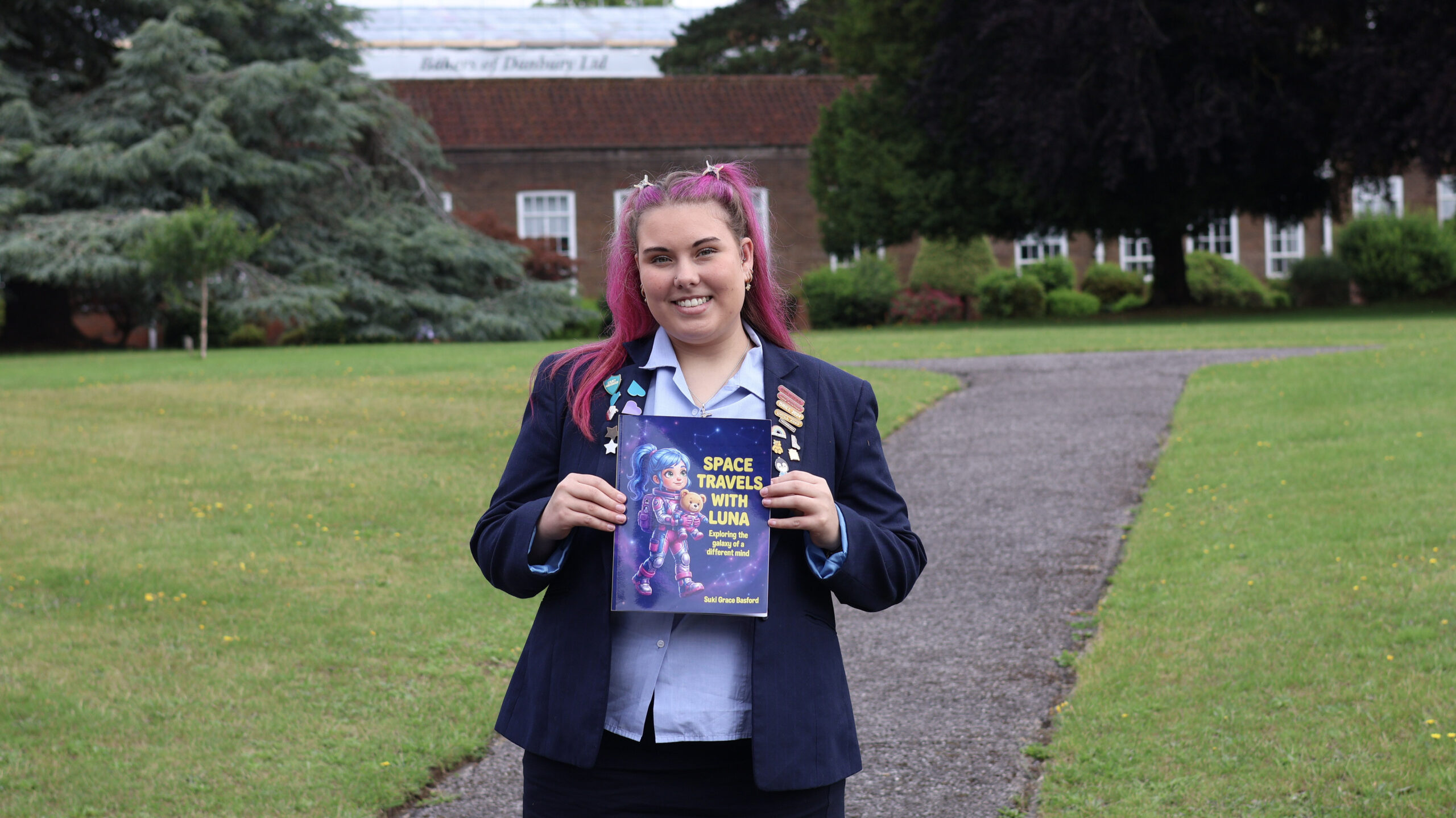
Year 12’s Suki Basford is truly redefining what it means to be a young leader, from publishing her own children’s book to joining a national Youth Board, speaking on expert panels, and launching charity fundraisers – Suki is on a mission to foster true empathy, acceptance, and inclusion.
We sat down with Suki to talk about her journey, her advocacy work, and how she is changing the conversation around neurodiversity both within and beyond the gates of RMS.
Navigating School and Finding Support
Diagnosed with autism at ten years old, an age considered relatively early for girls, Suki is candid about the fact that growing up neurodivergent brought its challenges. She openly shares that she faced bullying, struggled with her mental health, and frequently felt misunderstood by those around her.
However, Suki highly praises the Personalised Approach to Learning Support (PALS) staff for helping her build social connections, and notes that the the school’s dedicated support systems at RMS have been brilliant.
“The staff are brilliant, so supportive. The PALS (Personalised Approach to Learning Support) staff are amazing with socialising and making connections.”
Suki recently had the opportunity to give back to the RMS community by speaking on a special school panel at Neurodiversity Evening. Reflecting on the evening, Suki was grateful for the chance to help parents and teachers understand how to support neurodivergent students better. On the panel, she shared vital, first-hand insights into what helps her studies, why socialising can sometimes be draining, and how the adults in a student’s life can offer the best support. While Suki deeply values these initiatives, she always keeps her eyes on the bigger picture, believing the conversation needs to push even further.
“Neurodiversity evenings are good, but we need more. It shouldn’t just be about information; it needs to be about giving students the tools to understand their peers.”
Space Travels with Luna: The Book Suki Wished She Had
This passion for peer-to-peer understanding is exactly what sparked Suki’s journey as an author. She noticed a massive gap in existing literature: while there are countless resources helping autistic children change their behaviour to “fit into” a neurotypical world, there were very few resources teaching neurotypical children how to understand and accept their autistic classmates.
“I wrote the book I wish the children around me had been able to read when I was younger,” Suki says.
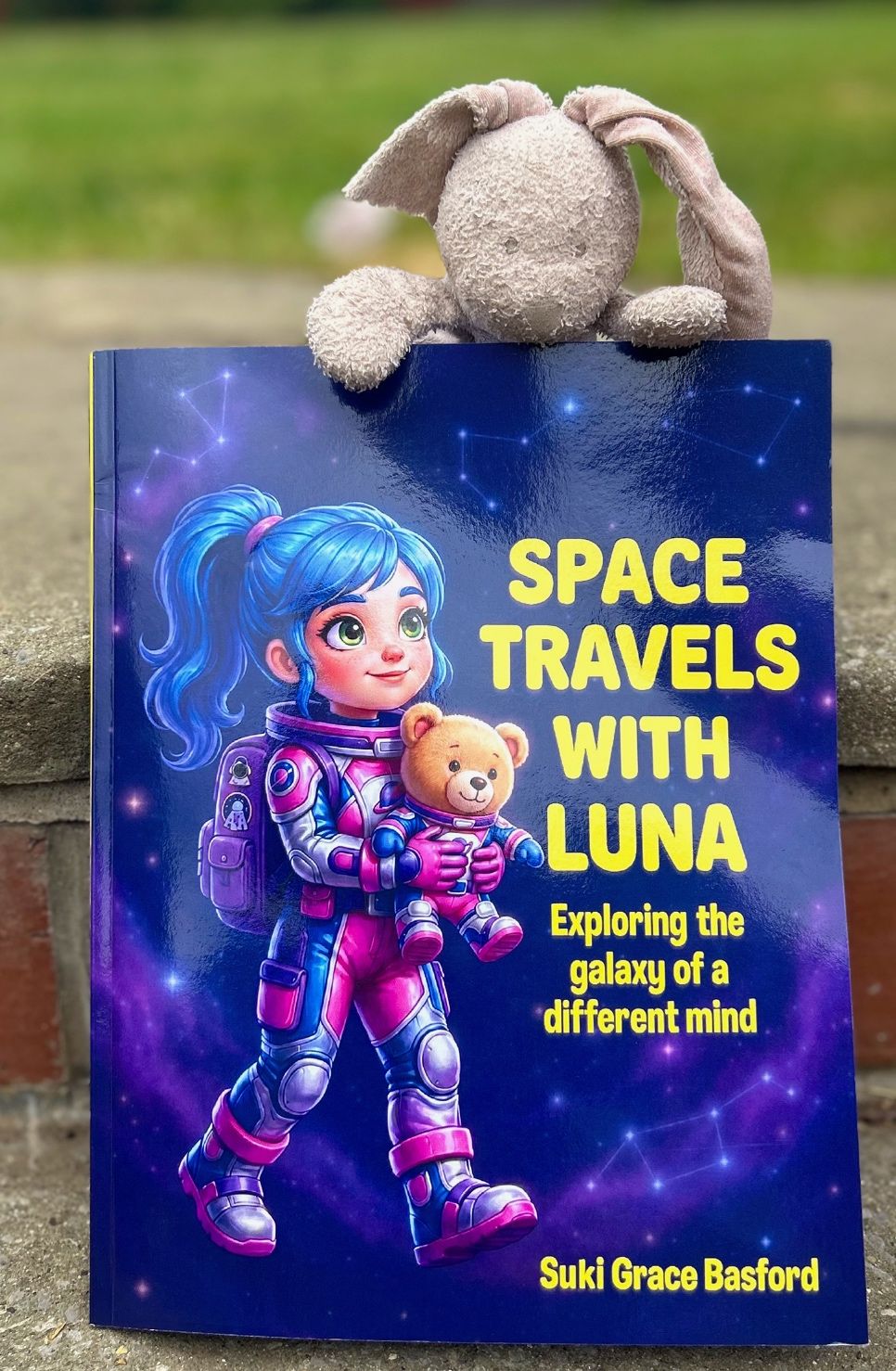
Her published book, Space Travels with Luna, is aimed at primary school-aged children. “Luna was inspired by my own experiences growing up autistic. Through simple explanations and relatable examples, she helps primary school children understand how autism can affect the way a person thinks, feels, communicates, and experiences the world around them.”
The creative process was deeply personal, inspired by her own lived experiences, even adding a character named Captain Bun-Bun, inspired by her own childhood comfort blanket. She then collaborated with a graphic designer to bring the story to life.
For Suki, the core philosophy of her book is simple:
“This book isn’t about teaching autistic children how to fit in. Autism isn’t something to ‘fix’. It’s about helping neurotypical children understand the autistic peers sitting beside them in the classroom every day. Because inclusion starts with understanding.”
Advocacy Beyond the School Gates
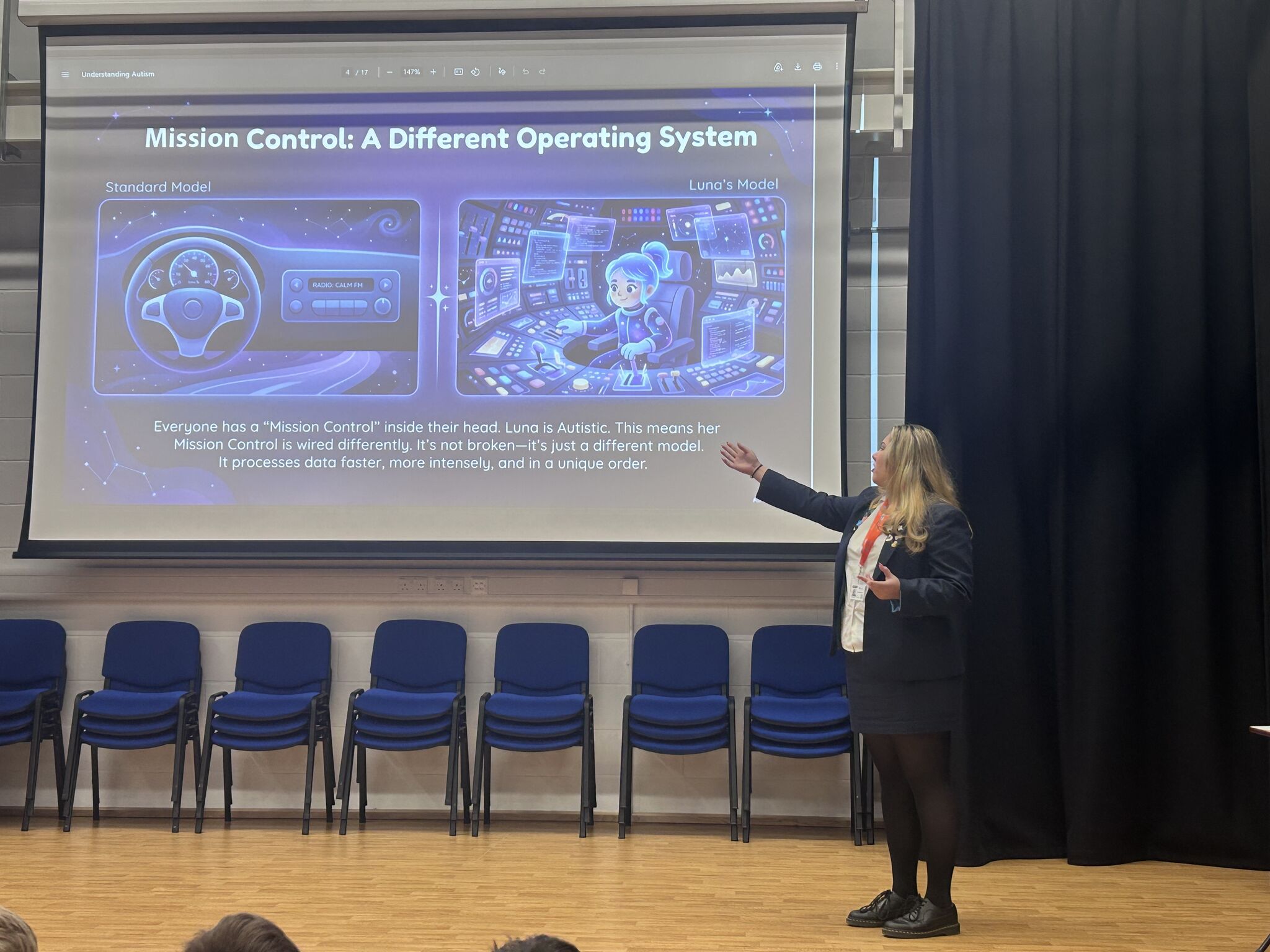
Suki’s incredible work is gaining significant recognition outside of RMS. To celebrate Neurodiversity Week, she was invited back to her primary school, Gayhurst School, to share her experiences and raise awareness.
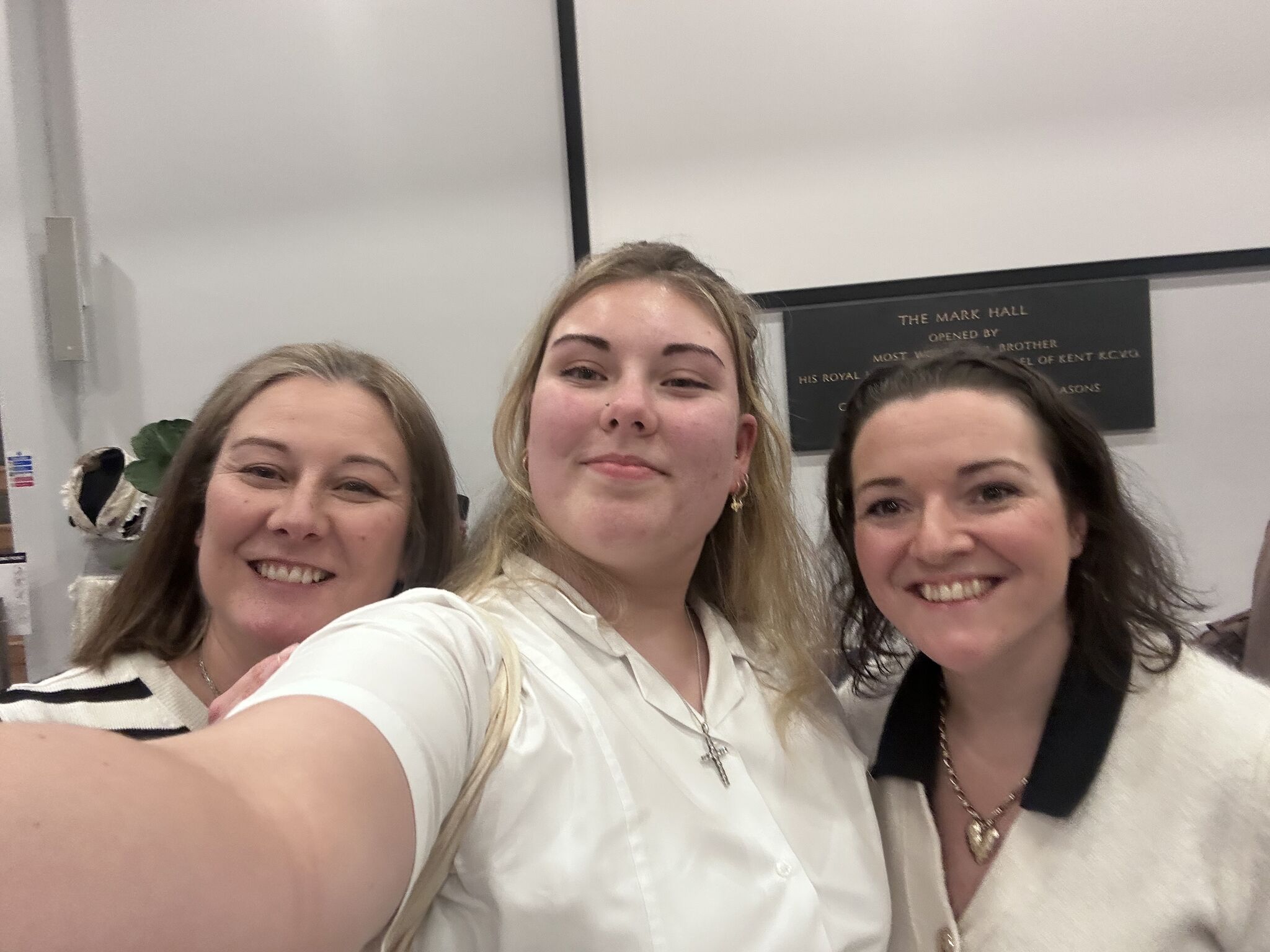
Her impact has also caught the attention of the Autistic Girls Network, a national charity dedicated to supporting neurodivergent young people and their parents, who reached out and invited Suki to join their Youth Board.
“It’s a group of young people, mostly aged 18 to 20. We meet every three months, and it’s a very friendly, judgement-free space where we can share experiences and make friends,” Suki explains. “The goal is seeing other people with similar experiences and knowing you’re not alone.”
The board also holds discussions on government White Papers, and does vital work creating practical resources for neurodivergent teens. “Right now, we are working on a newsletter and a cookbook. Standard cookbooks can be very overwhelming, so we are making recipes tailored for neurodiverse people, like those starting university.”
Suki’s profile as an advocate is growing rapidly. In just a couple of weeks, she has been invited by ITV to present her story and her book to their neurodiversity group!
Walking 100k for “Pets as Therapy”
Back on campus, many of our girls look forward to weekly visits from Alfie the Cockapoo, a registered Pets as Therapy (PAT) dog, and his handler Debby.
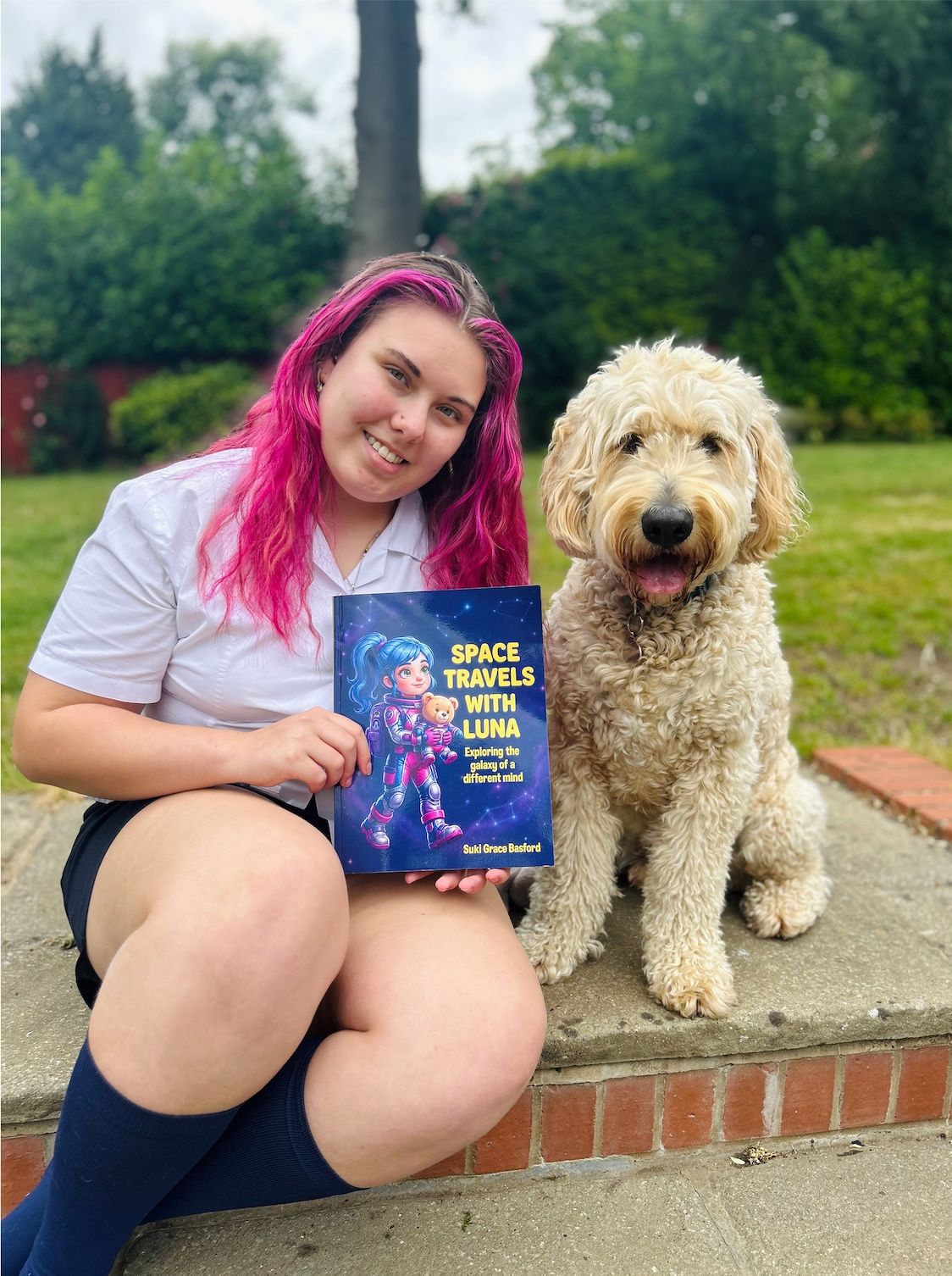
Inspired by the joy Alfie brings to RMS, Suki and her own dog, Charlie, took on a massive fundraising challenge this past May: walking 100 kilometres over the course of the month to raise money for the charity.
For Suki, the cause hits close to home. “In Year 8, I was suffering from seizures, and the one thing that helped me was my dog, who used to be brought into school. That sparked the school’s realisation of how helpful a therapy dog could be, which eventually led to Alfie visiting us. I see the real benefit of therapy dogs from my own experience, and I wanted to help support the tools that help other people.”
We are immensely proud of Suki’s leadership, creativity, and empathy, and we can’t wait to see what the future holds!