







 Scroll down
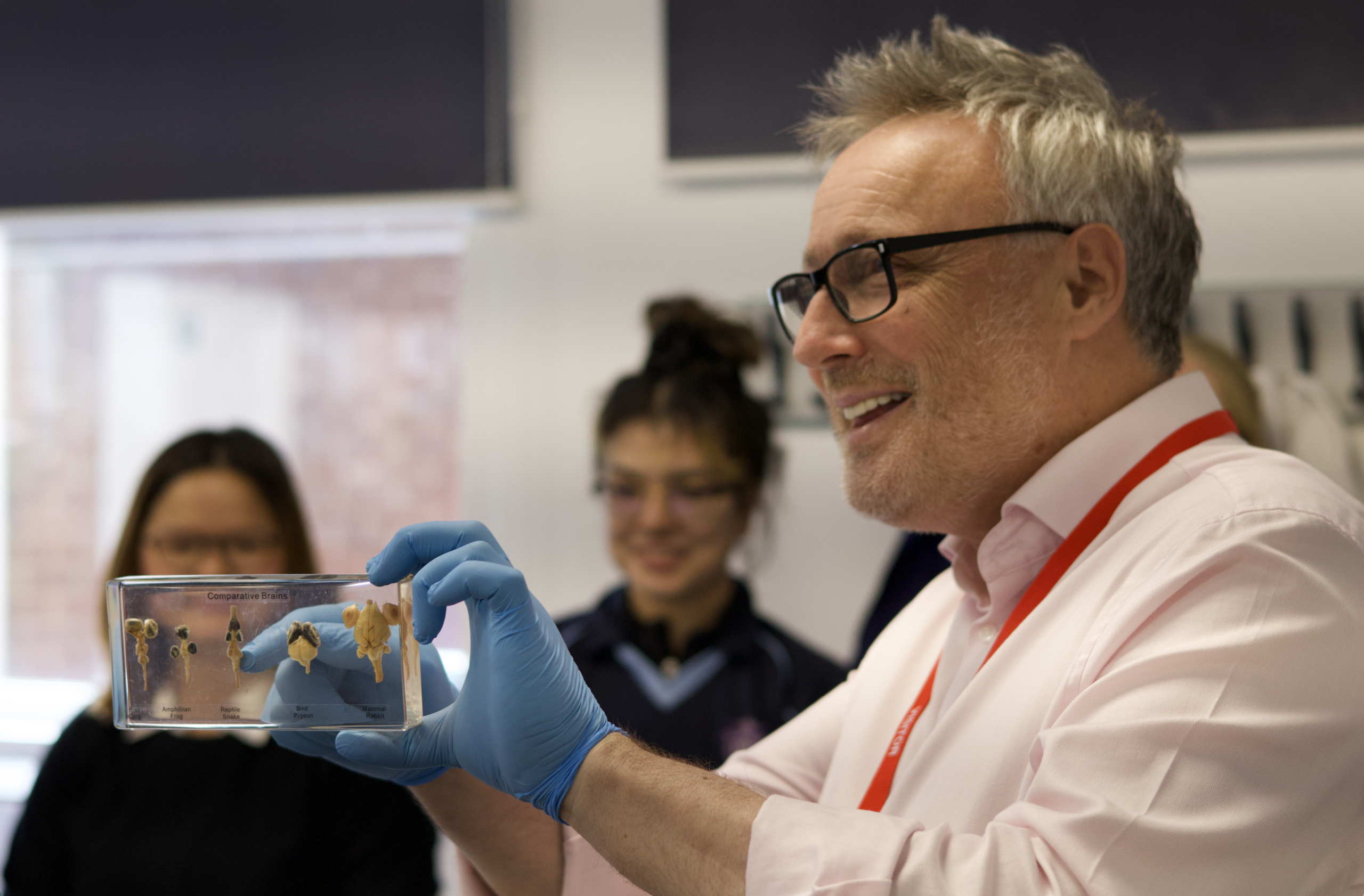
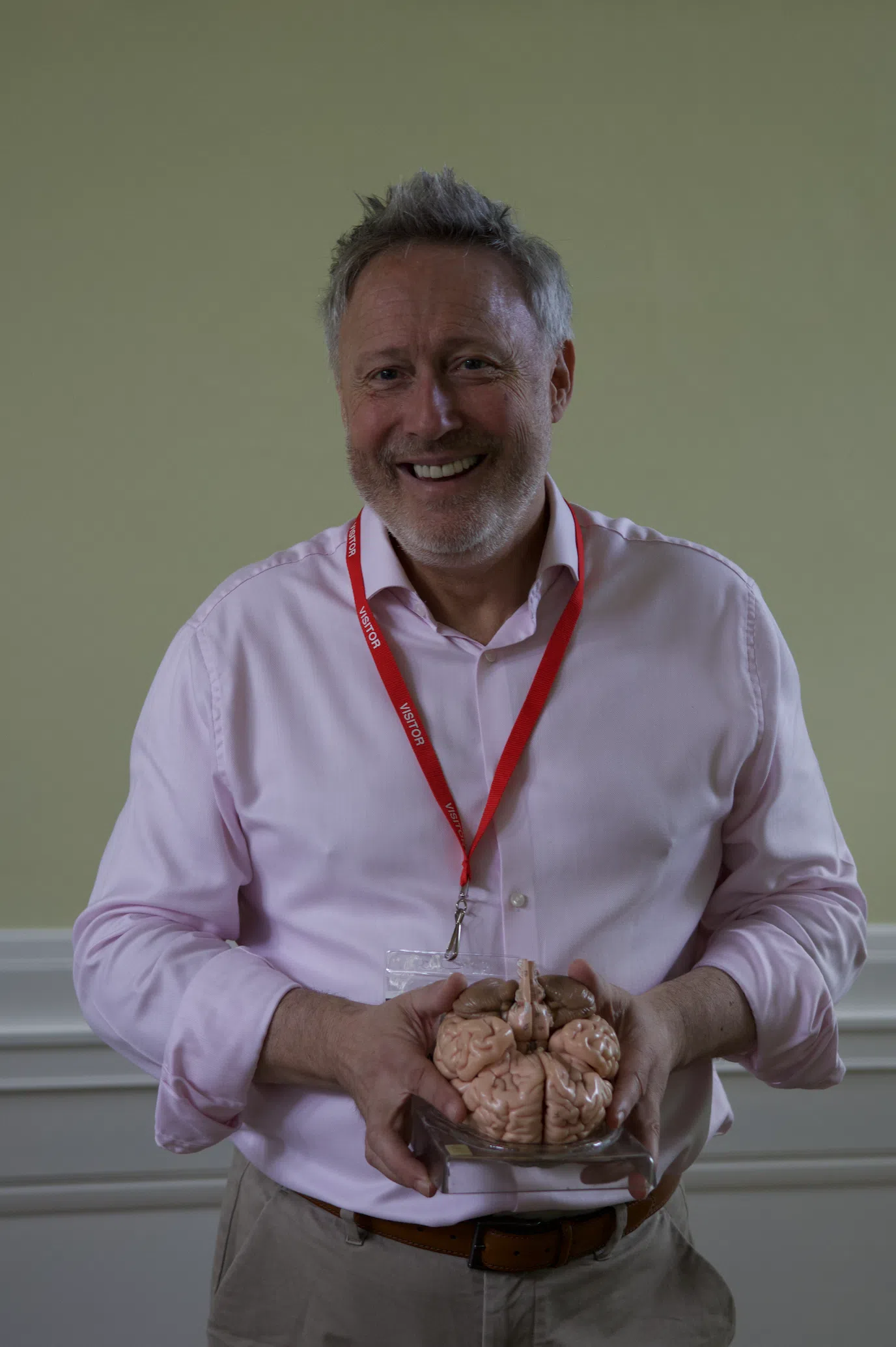
This week, the Science and Social Sciences departments at RMS were thrilled to host Dr. Guy Sutton, a world-renowned neuroscientist, for an immersive and fascinating ‘Brain Day.’
The enrichment event was specially designed for our Year 12 Psychology students, with the invitation extended to Year 12 Biology students, offering them a unique opportunity to delve deep into undergraduate-level neuroscience and neuropathology.
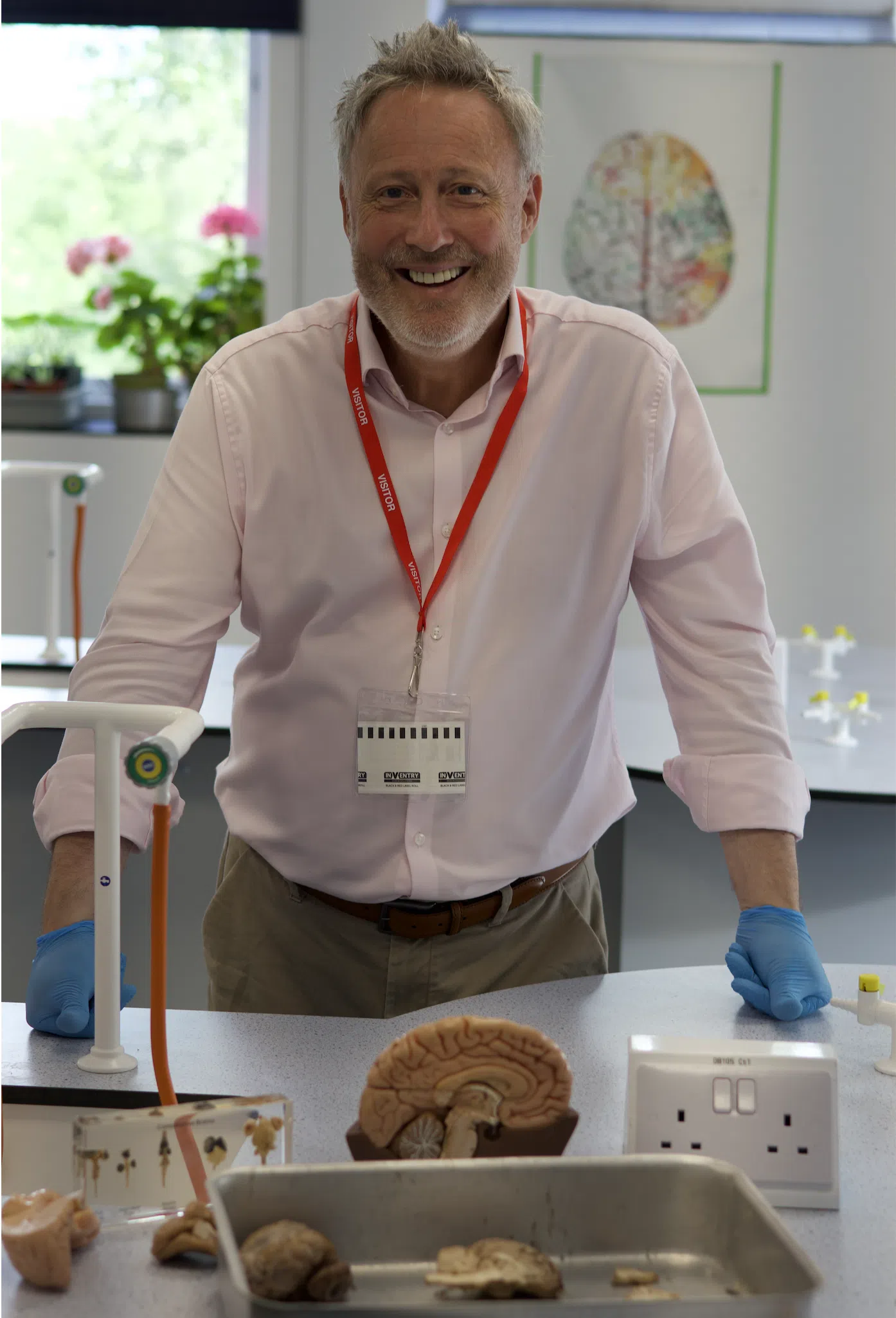
Inspiring the Next Generation of Scientists
Dr. Sutton brought a wealth of academic prestige to RMS. As an Honorary Lecturer at the University of Nottingham Medical School, he teaches medical students at both undergraduate and postgraduate levels. With past appointments at Cambridge, Manchester, and Manchester Metropolitan Universities, as well as research contributions to the Department of Health and the Medical Research Council, Dr. Sutton provided our students with an extraordinary window into the cutting edge of brain science.
Throughout the day, students were challenged to look at the interactive nature of genetic, biological, and behavioural factors in the human brain.
Hands-On Anatomy: The Sheep Brain Dissection
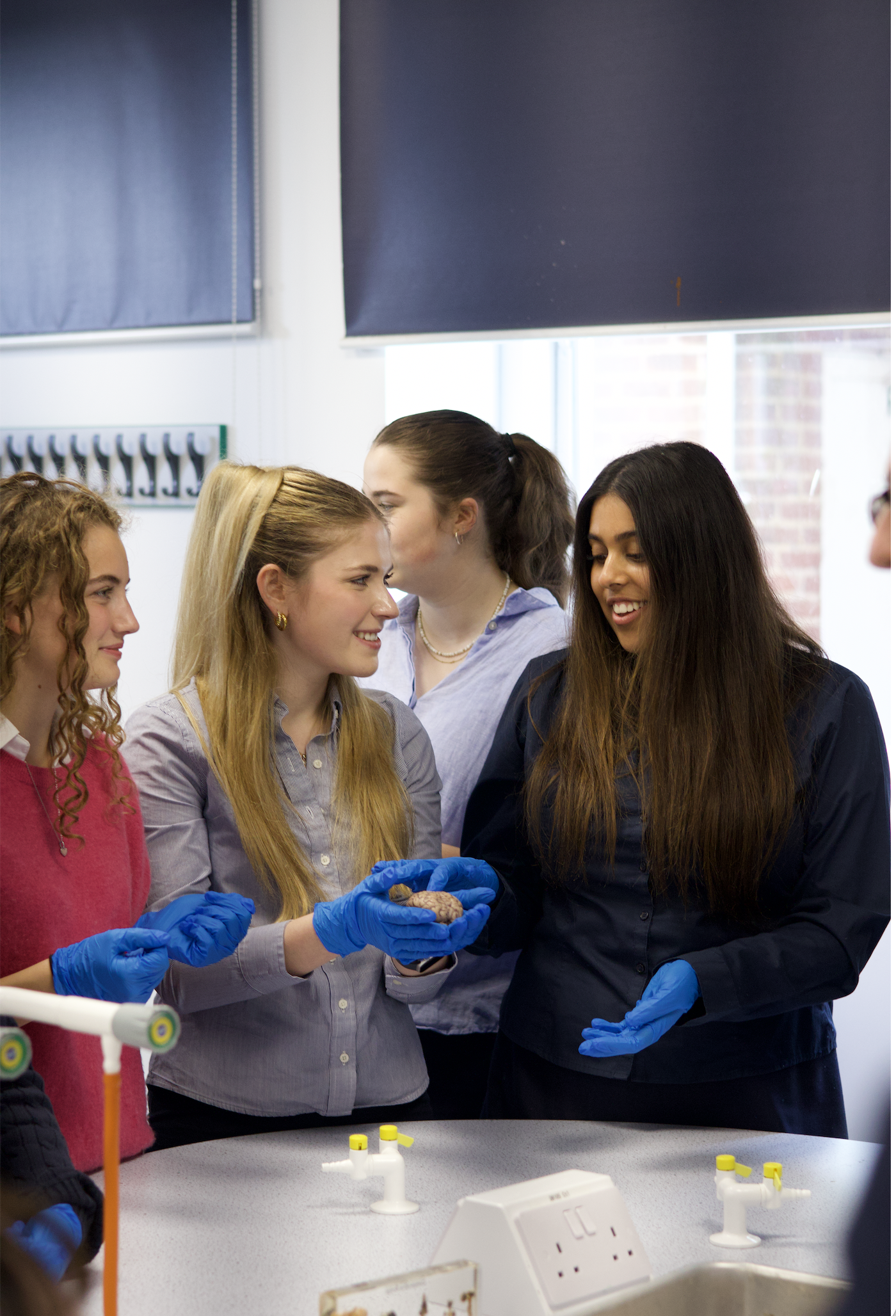
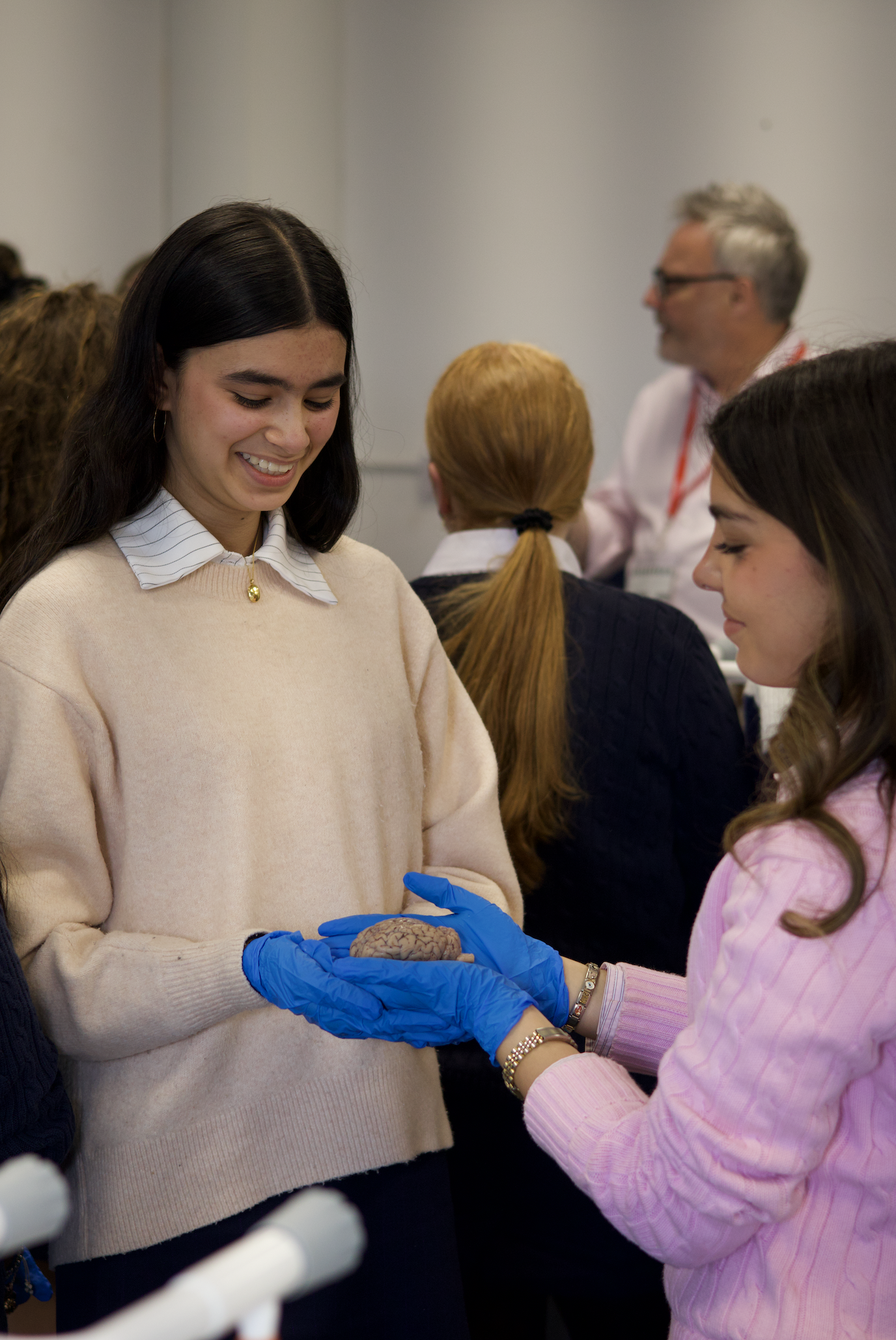
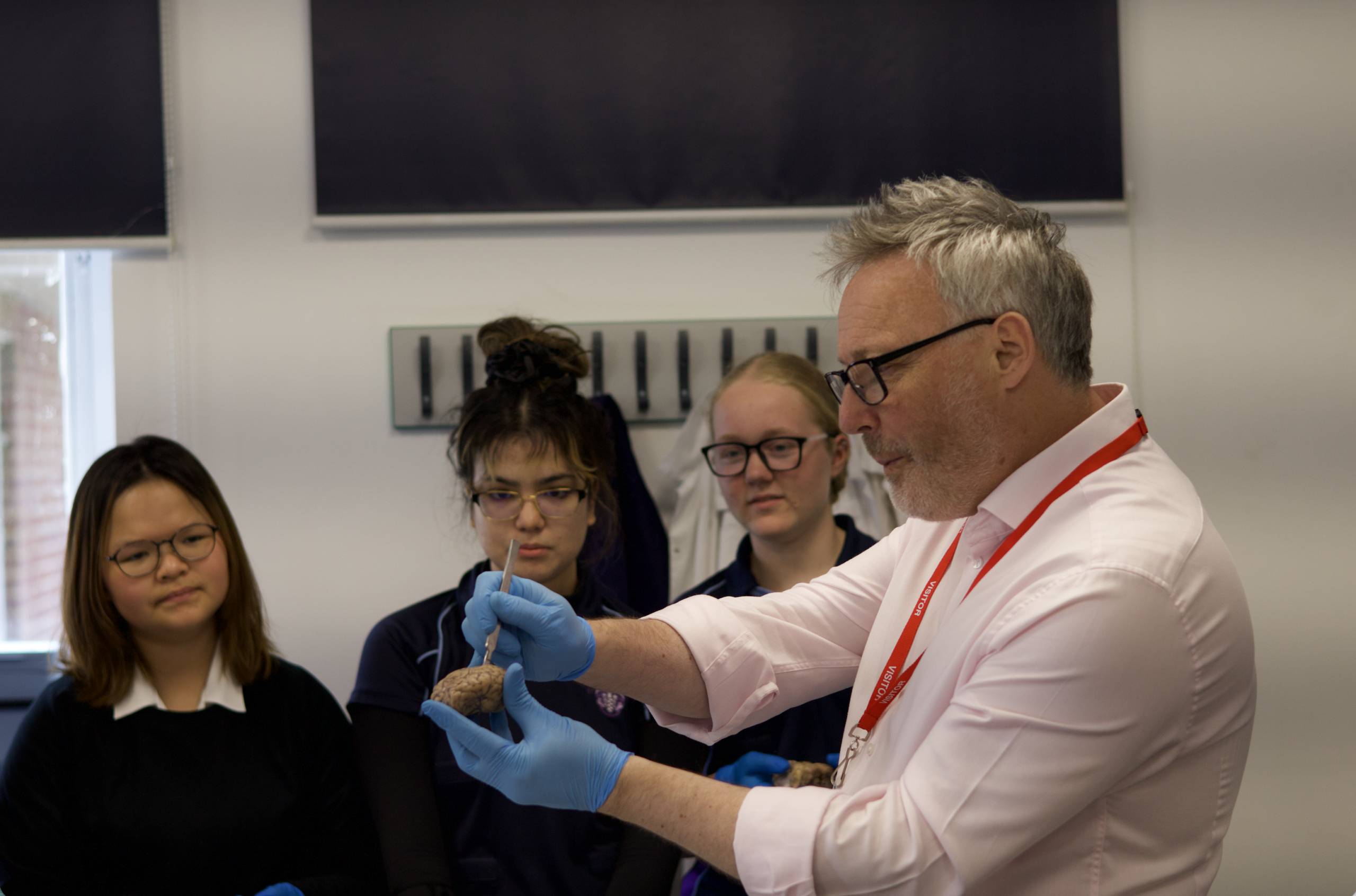
One of the undeniable highlights of the day was the sheep brain dissection. This hands-on practical session allowed students to move from textbook diagrams to real-world anatomy, identifying structures and visualising how the physical brain maps onto human behaviour and thought processes.
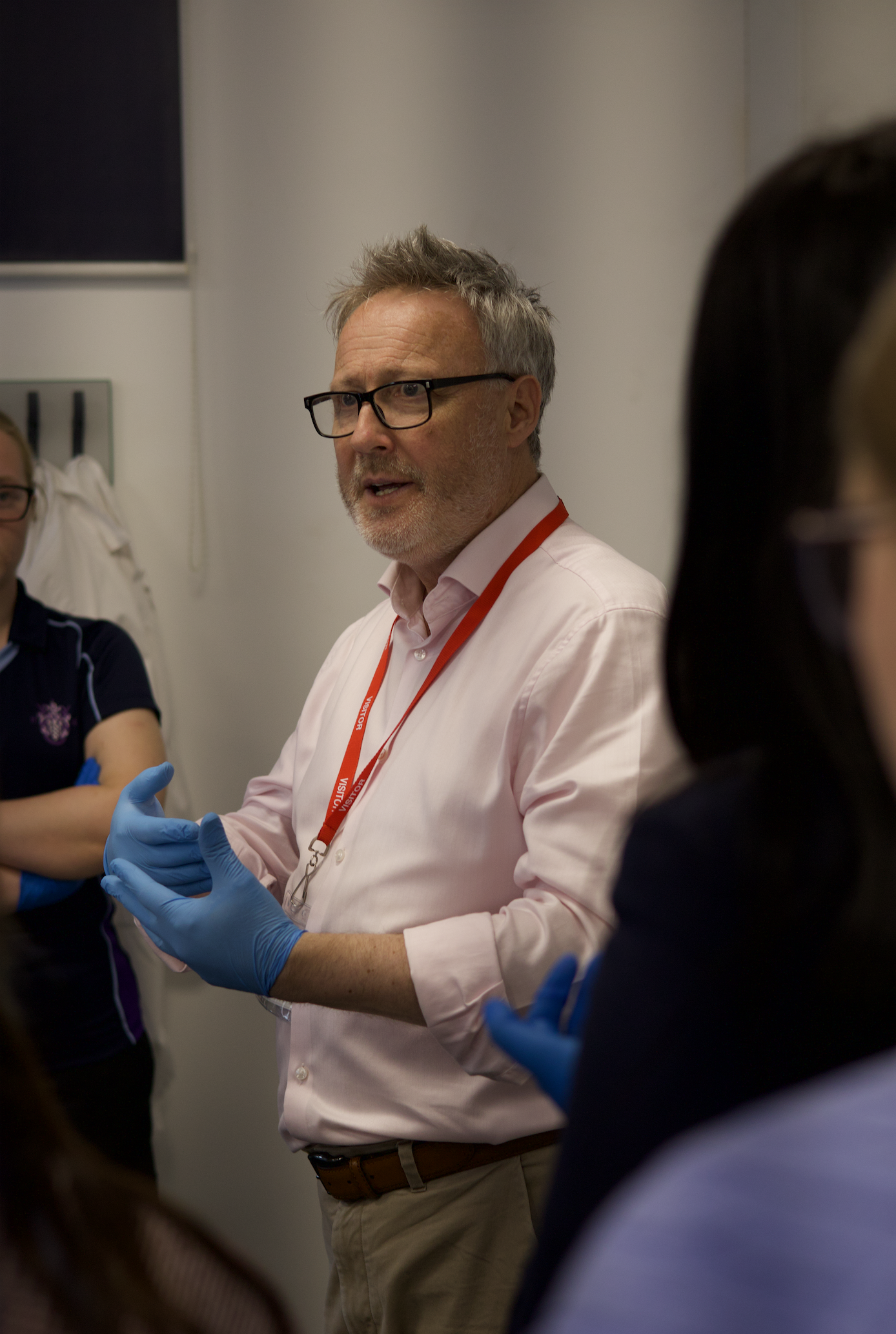
Masterclasses in the Quiet Dining Room
The rest of the day was broken down into three intensive, university-style lectures held in the Quiet Dining Room, covering everything from basic anatomy to criminal psychology:
1. From Neuron to Brain
Students explored the foundational blocks of the brain, investigating different types of nerve cells, synapses, and the incredible concept of neuroplasticity—the brain’s ability to adapt and rewire itself.
Dr. Sutton also touched upon fascinating and contemporary topics, including:
- The cerebral organoid: Miniature, lab-grown brain models used in modern research.
- Modern lifestyle impacts: The negative effects of vaping, smartphones, and drugs on developing brains.
- Post-Traumatic Stress Disorder (PTSD) and the neuroscience behind end-of-life consciousness.
2. The Working and the Damaged Brain
This session focused on how scientists map and understand the human mind. Students looked at advanced methods for exploring the brain, from direct brain stimulation to modern functional neuroimaging. Dr. Sutton also discussed the physical impacts of brain damage, the fascinating world of brain-computer interfacing, and even the documented psychological effects of recent pandemic lockdowns on brain development.
3. Mind, Brain, and Crime
The final lecture captivated students by linking neuroscience to the legal system. Dr. Sutton tackled the age-old question: Is there a criminal brain? The session explored how the brain may be linked to criminal behaviour, how the law treats mentally disordered offenders, and the direct links between brain damage—such as traumatic brain injuries or brain tumours—and aggression.
A Launchpad for Future Studies
Brain Day provided our Year 12s with an invaluable bridge between their current A-Level curricula and university-level study. By exploring complex concepts like the genetics of neurodevelopment and the physiological roots of behaviour, students left the sessions with a vastly expanded understanding of the human mind.
We would like to extend our huge thanks to Dr. Guy Sutton for such an inspiring, thought-provoking, and unforgettable day of science enrichment!