

 Scroll down
Interview with Mrs Nichols, Head of Visual Arts
In a world of short-form information, ‘fake news’ and unreliable sources, how are RMS developing research and critical thinking skills? And how do we help young people to recognise both the excitement of research and the ‘grey areas’ in knowledge gathering and interpretation? We asked Mrs Nichols, Head of Visual Arts.
How do you introduce younger students to the idea that not everything they read or watch is a true and accurate account and that, in that famous phrase, ‘recollections may vary’?
In the realm of Visual Arts, we possess a rare and vital window into the contemporary world, it is a space where “fixed answers” disintegrate into deeper questions. We pride ourselves on cultivating a courageous, inclusive environment where students can dismantle and reimagine the societal issues that shape their lives. Here, we don’t just teach technique; we elevate the rigorous investigation required to turn a thought into an informed opinion.
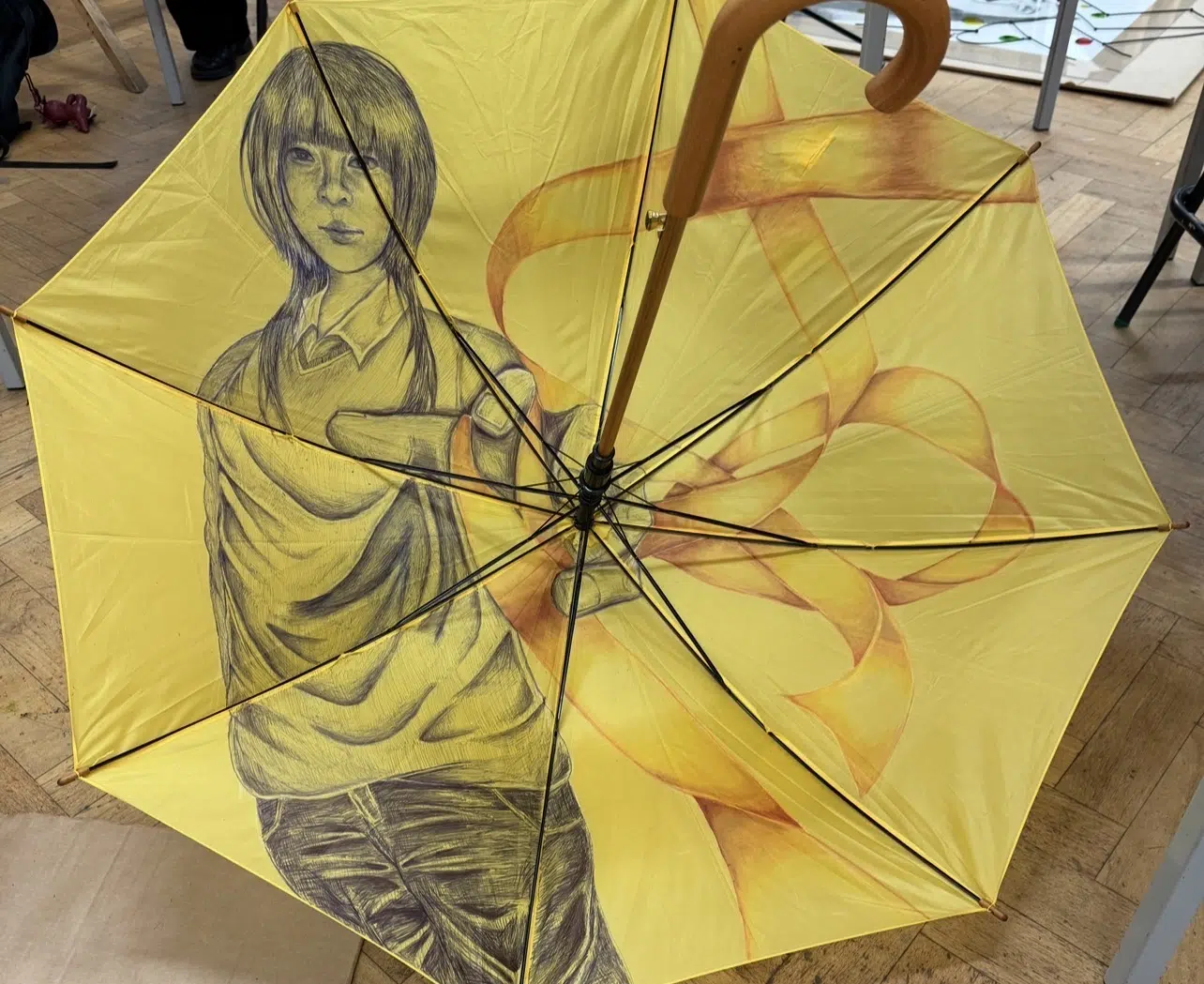
A striking example of this journey was a pupil’s exploration into the students’ riots in China. Their initial creative impulses were raw, dramatic, and deeply personal, however lacked the historical scaffolding to evolve.
To support this creative block, we embarked on a deep dive into the mechanics of messaging, analysing the visual language of WWII propaganda posters. Deconstructing sound editing and altered imagery in documentaries, ranging from the UK Miners’ strikes to modern investigative reports on political incitement. Creating a reliance on a variety of sources to include, books, articles and films to move beyond the surface level. By treading with caution and reflecting on the power of the medium, the student’s work underwent a radical transformation.
What began as a narrow expression evolved into a sophisticated, multi-layered visual dialogue. The final piece is a poignant exploration utilising the motif of the yellow umbrella, this did more than just highlight a problem, it challenged the viewer to seek resolution. This is the heart of our department: transforming personal investigation into a unique perspective that invites the world to look closer, think harder, and move forward.
In a world of AI and instant information gratification, how do you encourage older forms of information and knowledge gathering – e.g., library research, firsthand research, exploring original sources?
Within the Visual Arts department, we champion “Slow Research,” an eclectic, immersive approach that replaces the algorithm with first-hand experience. By stepping away from the screen, our students build the confidence to ask difficult questions and the resilience to find their own solutions.
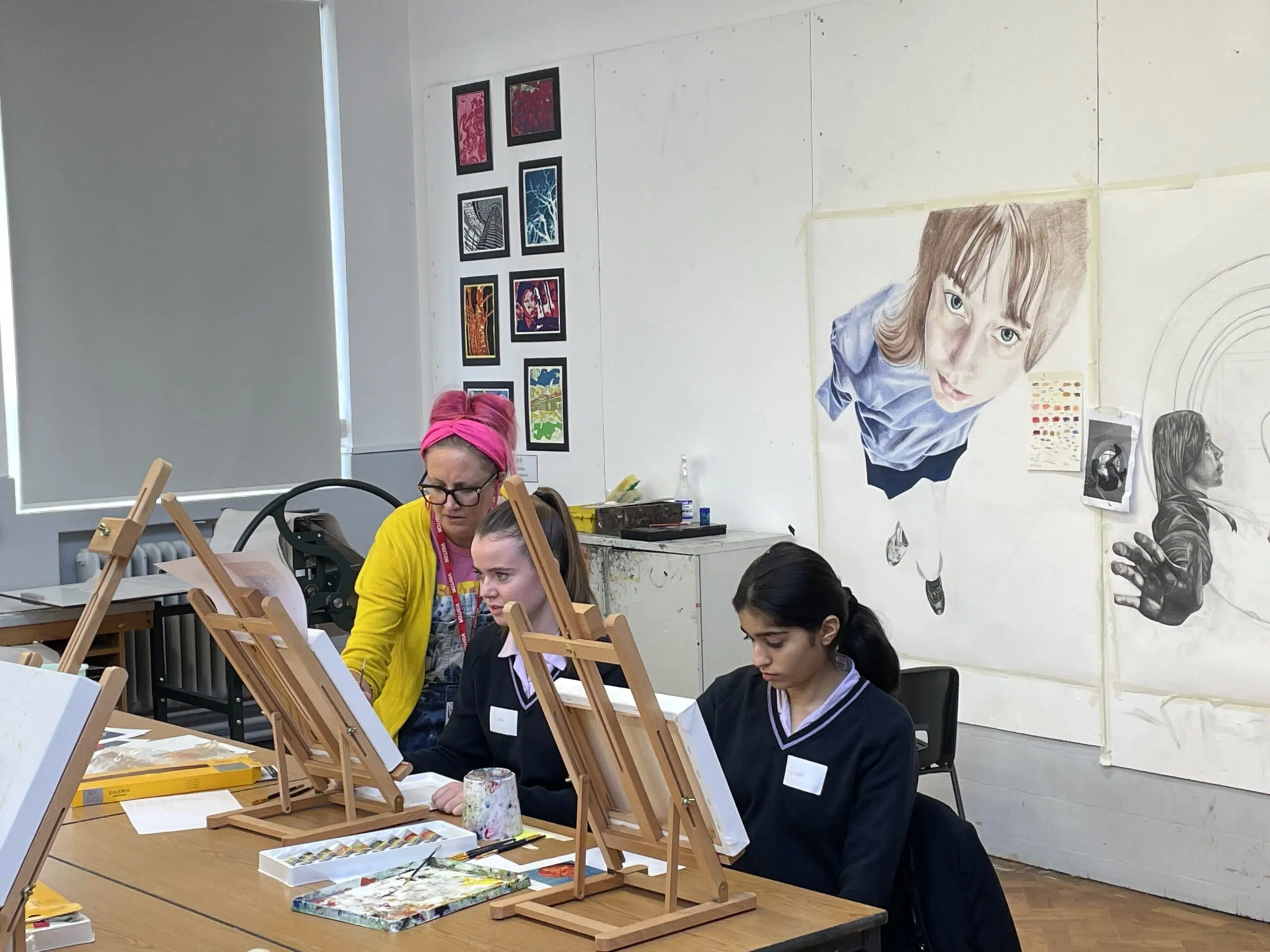
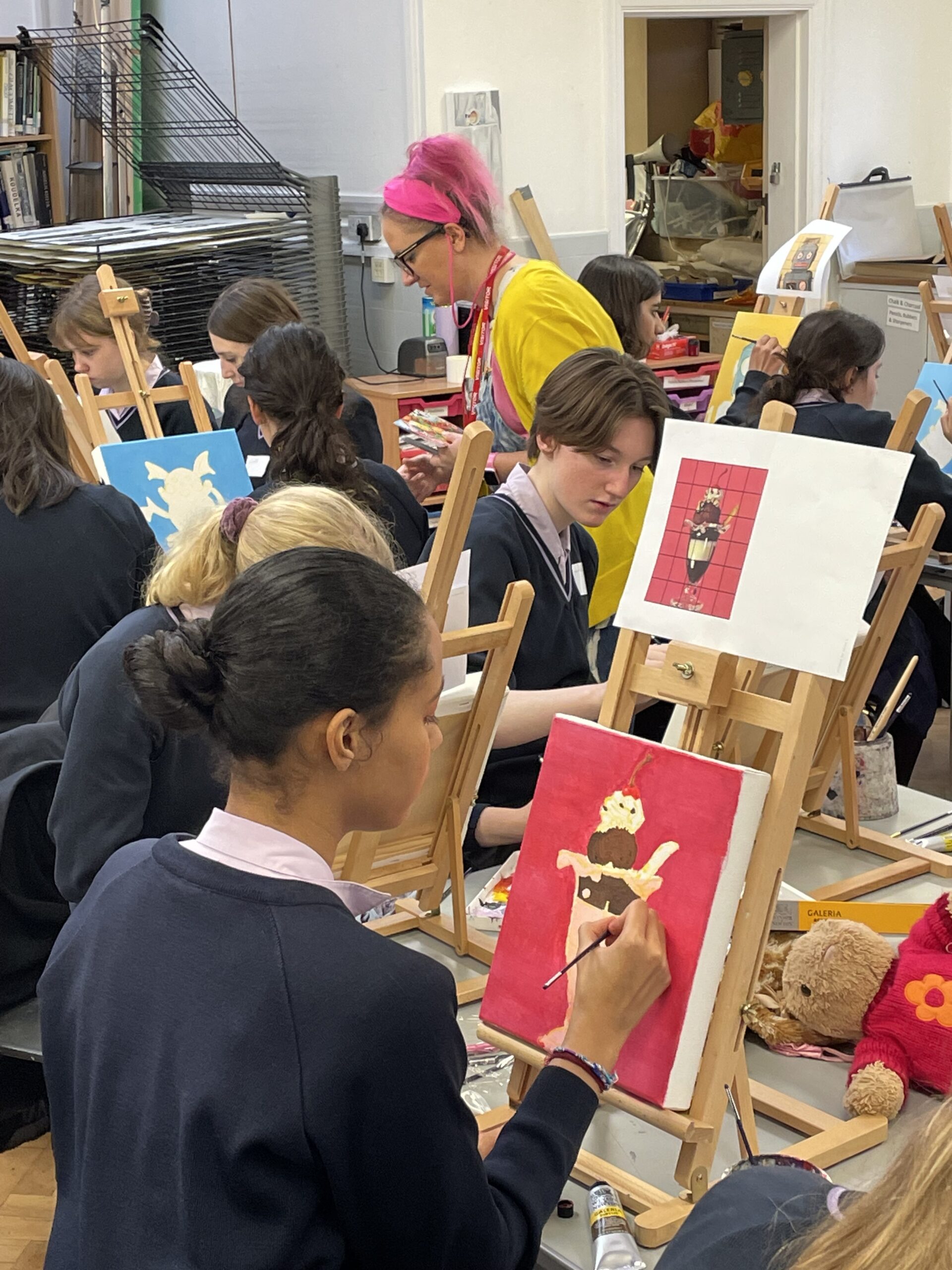
An example of this was our work with the esteemed hyper-realist artist, Sarah Graham. This wasn’t a filtered YouTube tutorial; it was a raw, spontaneous dialogue. Students didn’t just see her technique; they explored the intersection of her work and her lived experience with neurodivergence and Bipolar disorder. This allowed students to move beyond pre-prepared questions, engaging in real-time critique. The hierarchy dissolved as the artist and students became collaborators, refining works-in-progress through shared observations. Students discovered that a “source” isn’t just a book or a link, it’s a human story.
The world is our classroom, we extend this commitment to original sources, whether it’s analysing the weight of history in a museum or deconstructing the logistical magic at Warner Brothers Studios, we treat the world as a primary text.
By comparing and contrasting these environments, students realise that “research” is an active state of being. They see how a sketch leads to a set design, and how a creative inquiry evolves into a career in architecture, engineering, or project management. In our department, we don’t just teach students to search for information; we teach them to inhabit it. By investigating original sources, they aren’t just consumers of content, they are architects of their own unique perspectives.
What is the role of naturally iterative subjects – for instance Art, Drama, Music – in encouraging critical thinking, reflection and developing a personal perspective?
In the Visual Arts, we embrace a continual evolution. Unlike subjects with a fixed syllabus, the Arts are driven by human intervention—a “pulse” that responds to the modern world in real-time. Iteration is not just about “trying again”; it is the rigorous practice of analysis, reflection, and courageous decision-making.
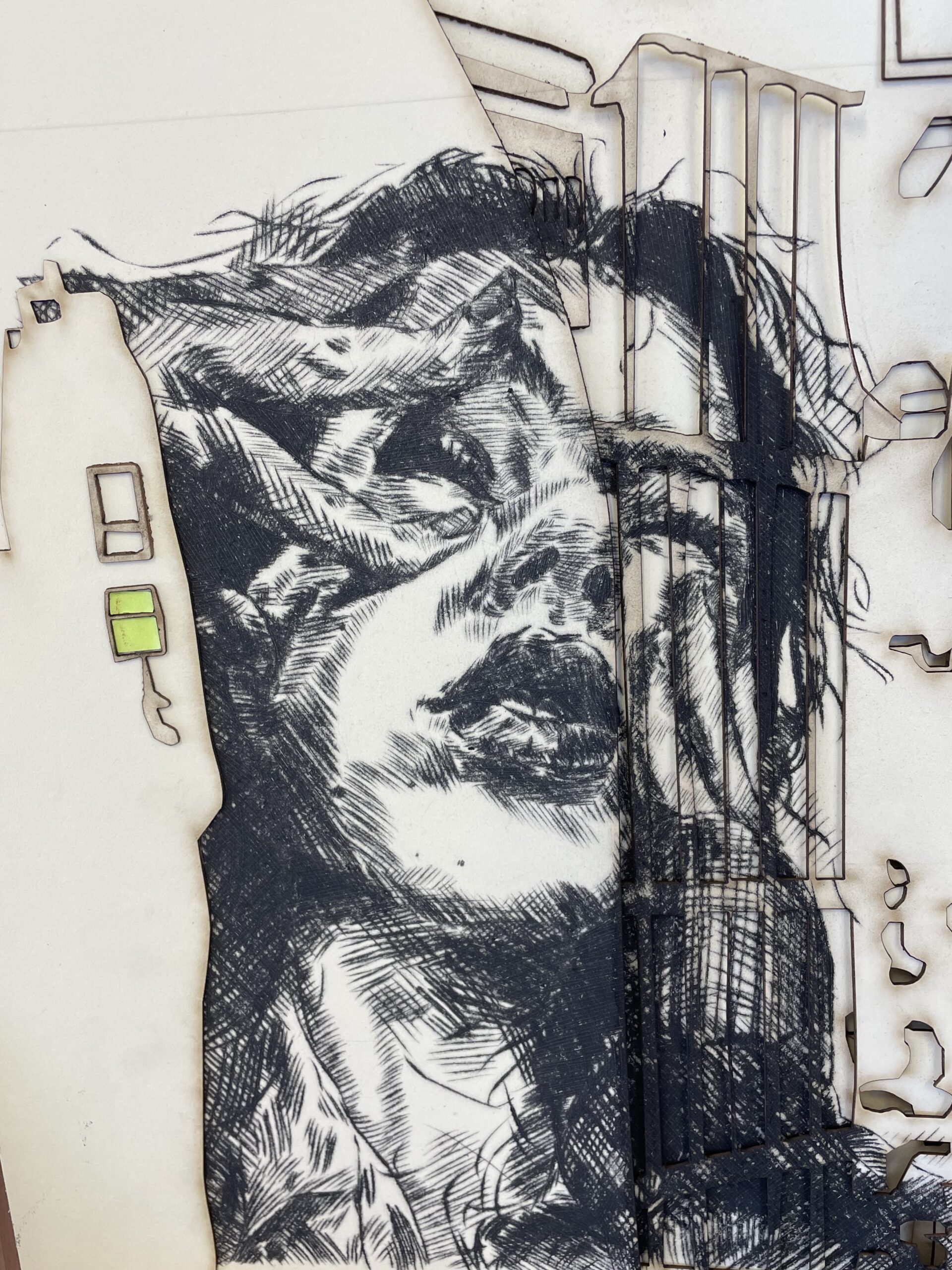
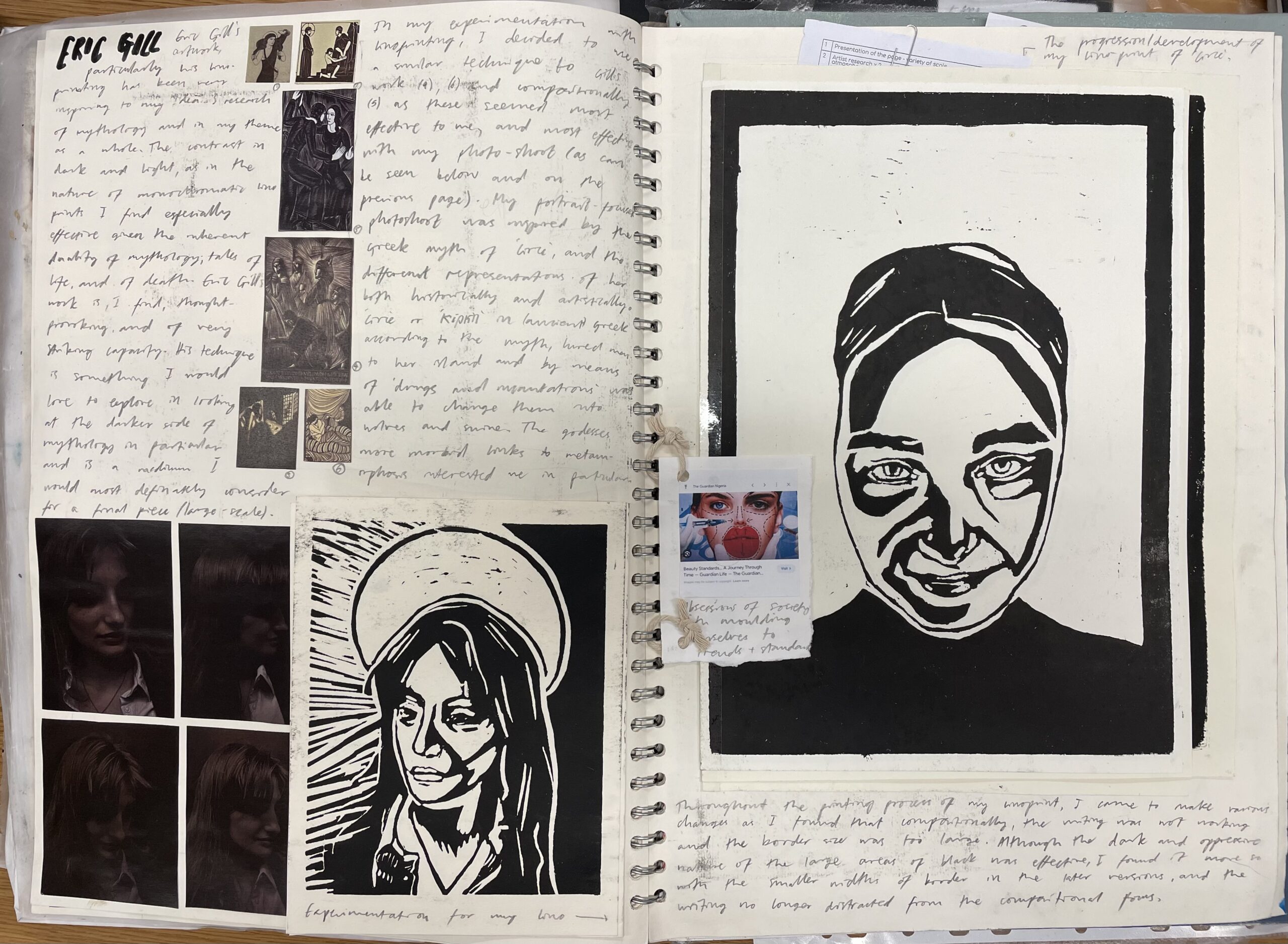
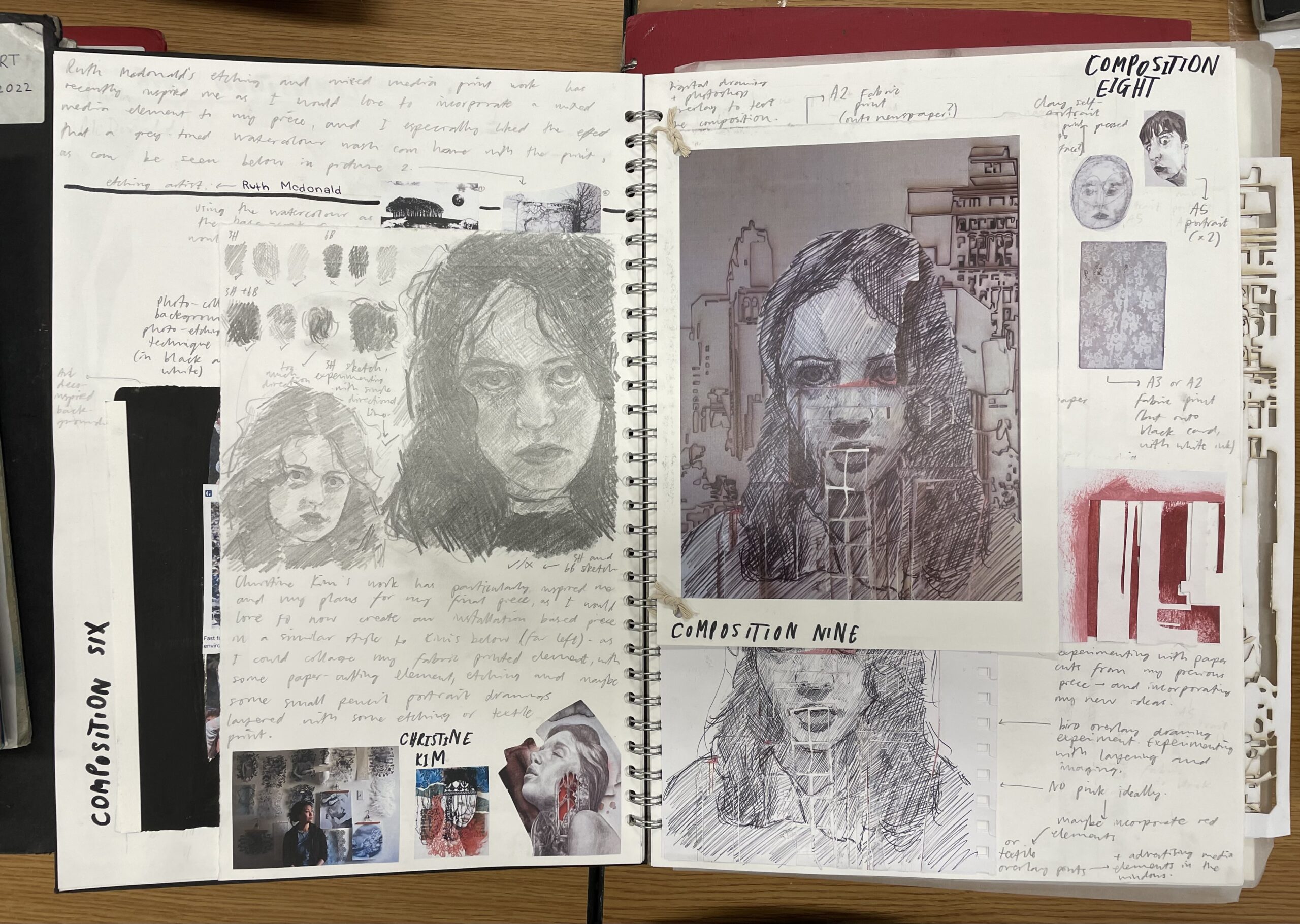
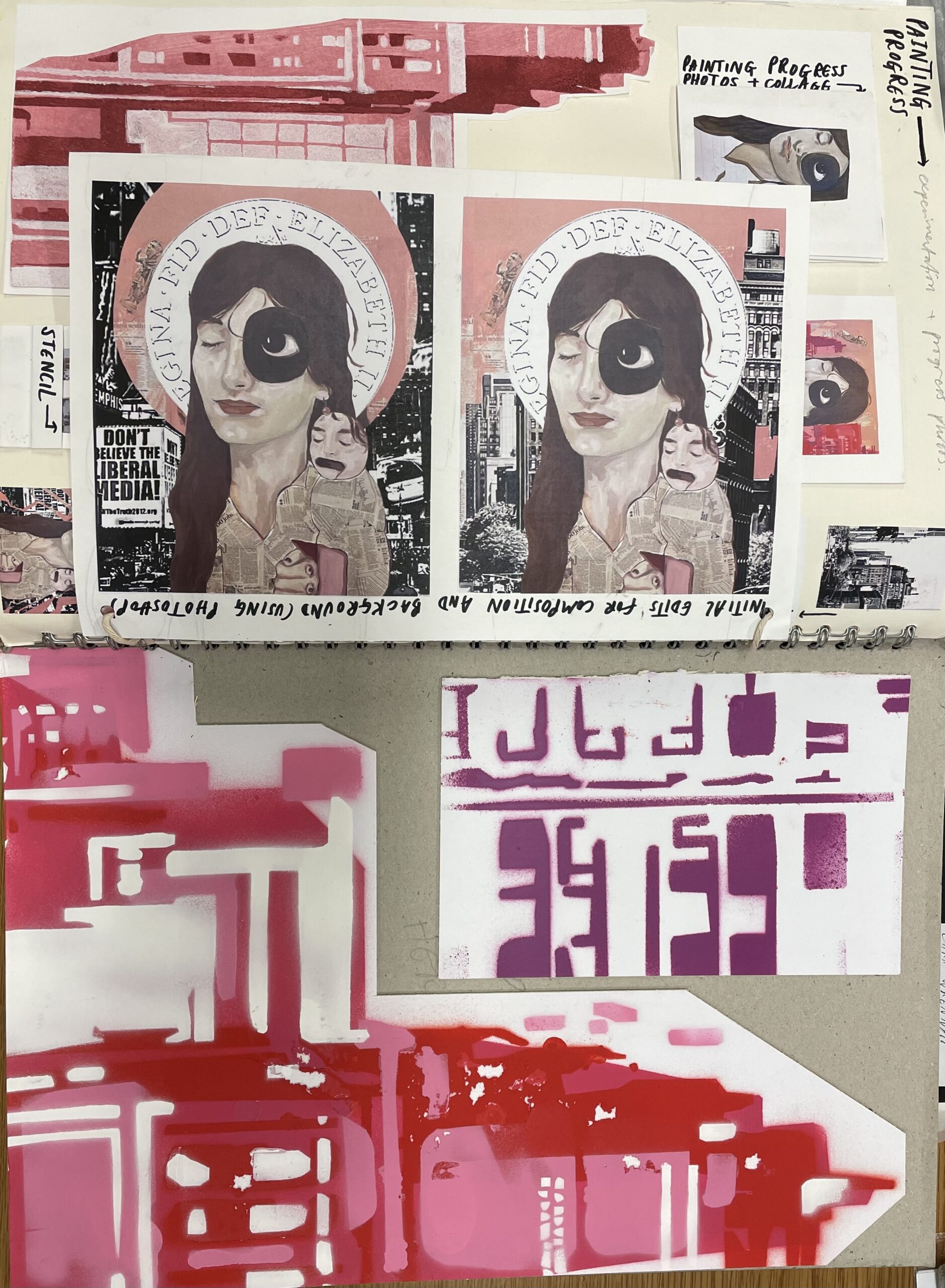
The most profound evidence of this is the personal sketchbook journey. It is a privilege to witness these journeys, which act as a physical archive of a student’s critical thinking. Within the sketchbook students become experts at peeling back layers, revealing hidden concepts that aren’t visible at first glance. From a single starting point, we see a multitude of responses. Each path requires in-depth investigation and the ability to pivot when an experiment fails. By constantly refining their work, students learn to stay solution-focused even when a technique or concept feels stuck.
One of the most significant roles of iterative subjects is the development of resilience through visibility. Unlike work hidden behind a screen or tucked into an exercise book, a student’s creative journey is often permanently on show. Displaying “works in progress,” builds the confidence to be critiqued and the stamina to keep evolving in front of an audience. Our environment thrives on this duality, the intense focus of working solo balanced with the passion of communicating ideas within a team.
Iteration forces a student to question, it is a consistent loop of action and reflection and this is how a truly unique personal perspective is forged. We aren't just teaching them to make objects; we are teaching them to be architects of change who can navigate a world that is constantly shifting.