








 Scroll down
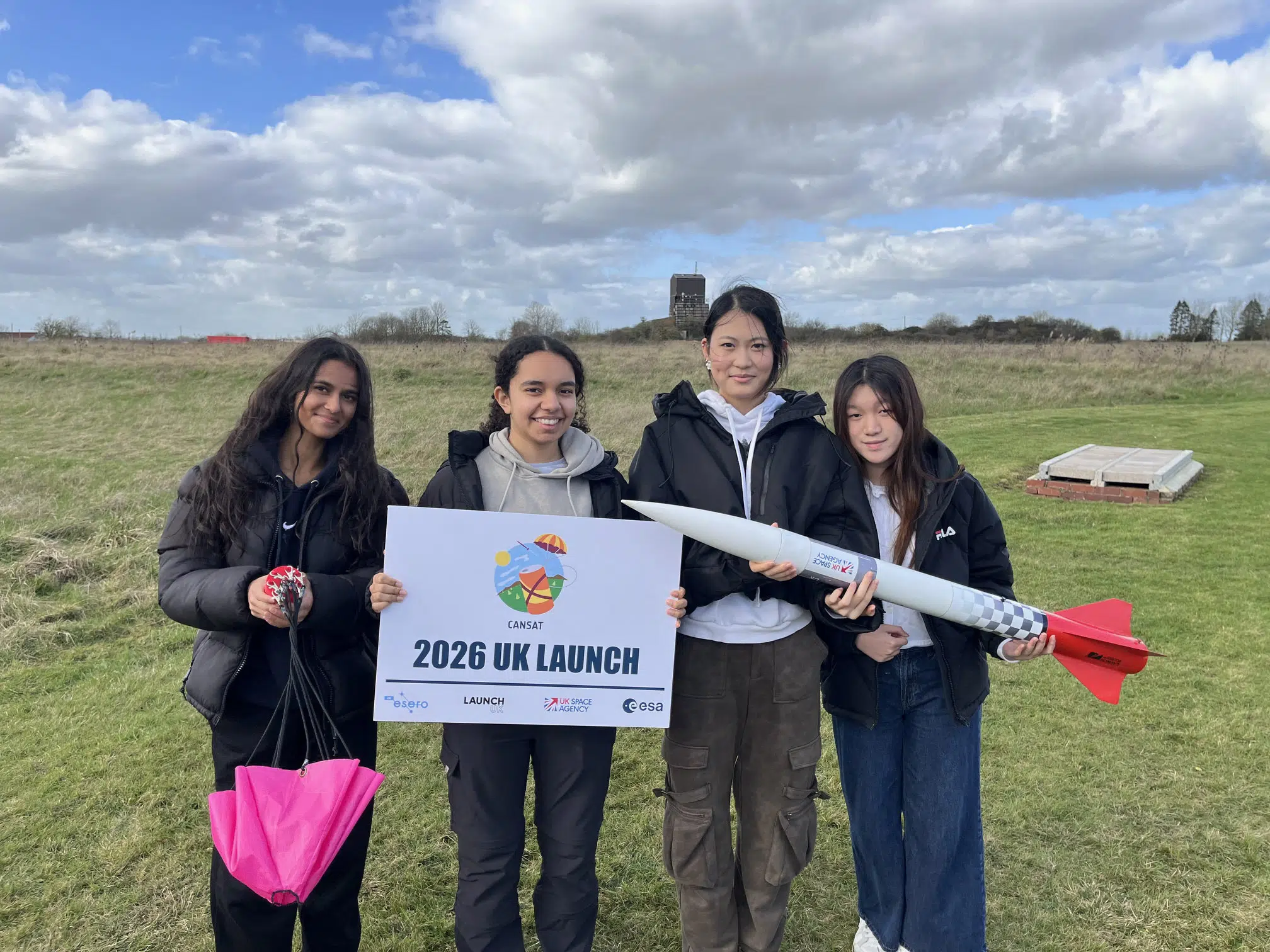
Ten students from Year 12 took part in the regional stage of the CANSAT competition for the fifth consecutive year.
The student competition saw 1600 students sign up this year from across the UK and is organised by the European Space Agency Education Office partnered with ESERO UK and Launch Access Ltd, run under the umbrella of the European and UK Space Agencies. Students research, design, 3D print, code in MicroPython, and bring together the hardware and electronics for their very own mini space mission, with the objective of launching a mock satellite in a can using a rocket.
The satellite is catapulted into the air in a fraction of a second, reaching an altitude of 500m before being ejected at high velocity. A parachute deploys, and a system of sensors and an antenna transmits data in real-time, which is received by a station that the students make and operate on the ground. Additionally, the whole CanSat must be the same size and shape as a soft drink can.
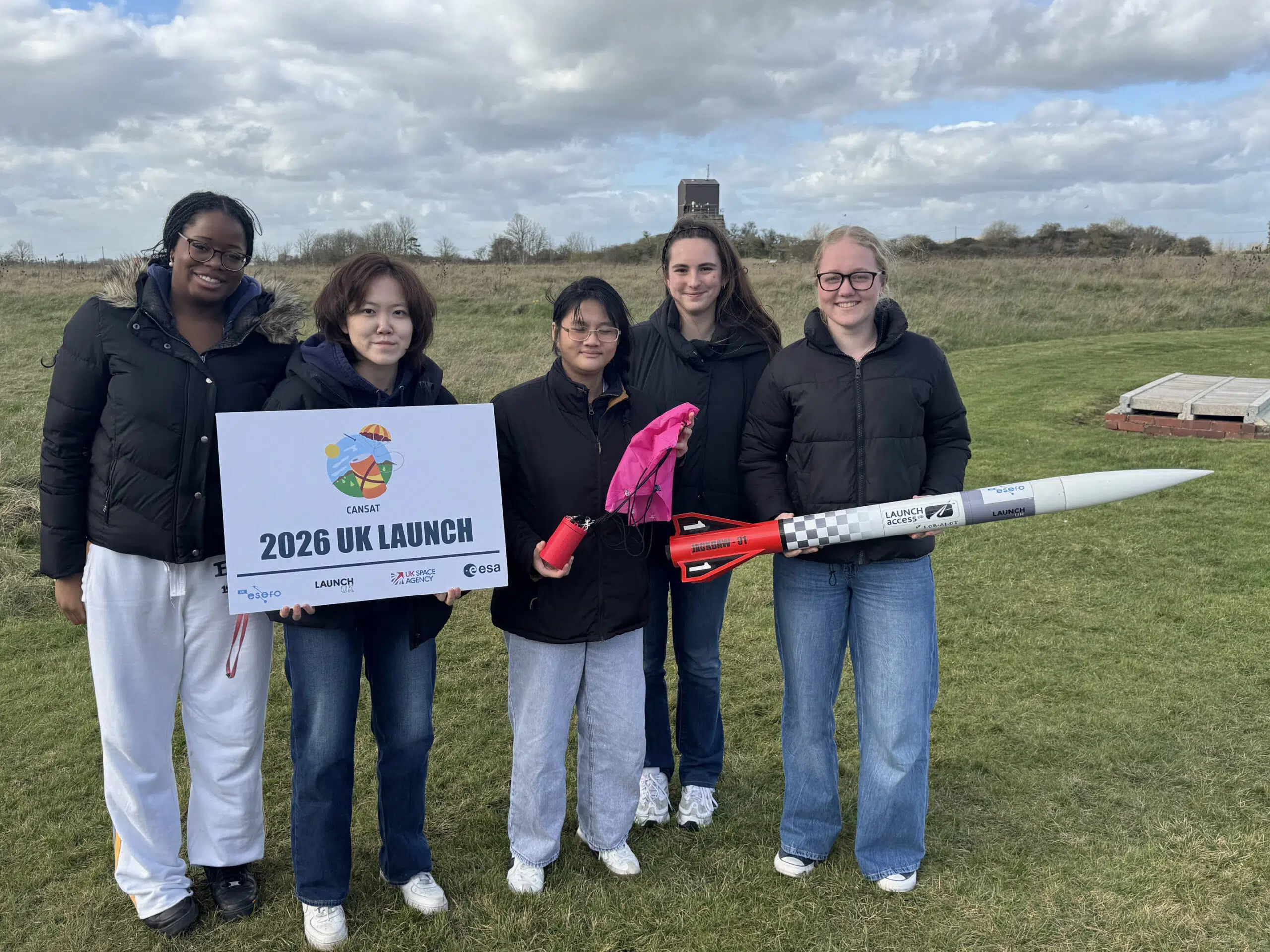
Team Cassiopeia (left) and Team Orbitronix (right)
This year, Team Orbitronix, composed of Grace, Muriel, Jen, Polina, and Izzy, opted to monitor air pollution from carbon monoxide and hoped to identify patterns of vehicular emissions using a GPS and a combination of gas sensors operated by a Raspberry Pi Pico.
Team Cassiopeia, composed of Uma, Kate, Amber, and Jacita, used a similar set of sensors with a different focus: assessing the suitability and/or presence of plant life in alien environments.
The members of both teams are each to be awarded a Silver Industrial Cadets award as a result of successfully making it to the regional stage of the competition. CanSat is open to Year 12 students doing Physics, Computer Science and Design & Technology, and those interested should speak to Mr Dacanalis or Mr Rugg.
Read more great STEM stories in our latest edition of RMSTEM magazine.